REGISTER HERE
Use this form to register; Select Yes at question “You are registering for the XiA–EURIDICE–IHE–HL7 session at the Athens Digital Health Week:”
Introduction – The Athens Digital Health Week
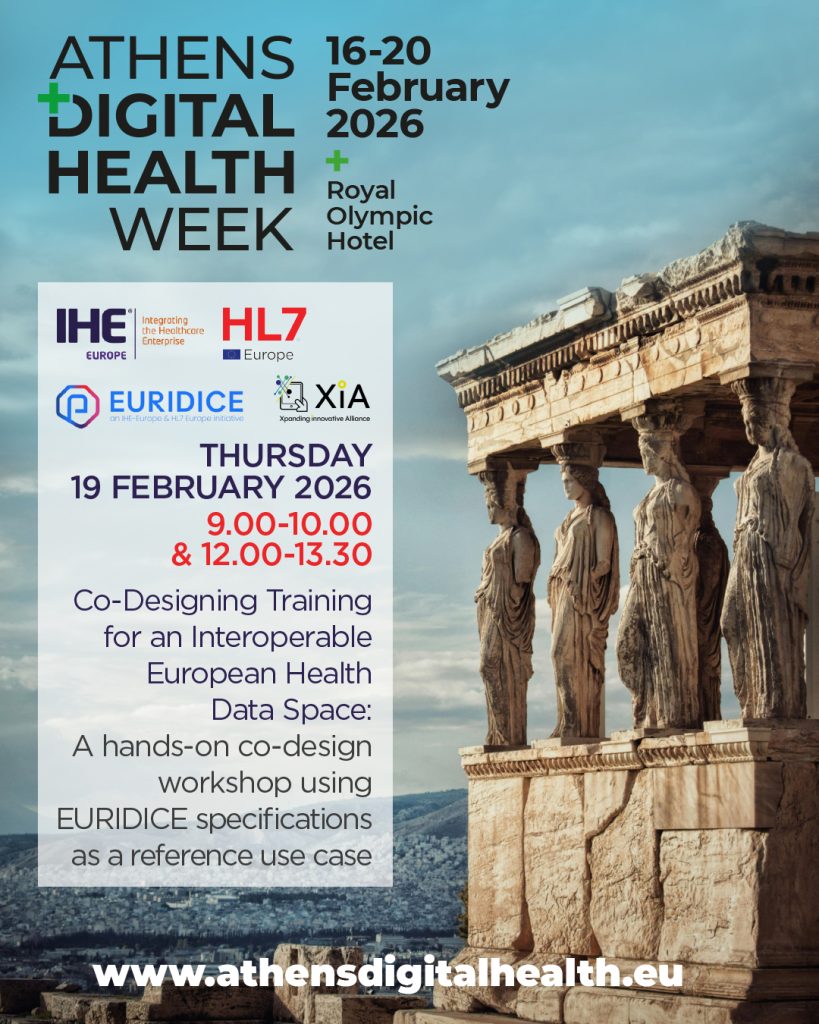
From 16 to 20 February 2026, Athens Digital Health Week (ADHW 2026) will bring together European policy-makers, standardisation bodies, healthcare organisations, industry, and research initiatives to address key challenges in digital health.
With strong focus areas such as interoperability, EHDS implementation, digital infrastructures, skills and capacity building, ADHW provides a natural forum for XiA (Xpanding Innovative Alliance) to contribute its perspective on how interoperability standards translate into workforce skills and real-world adoption.
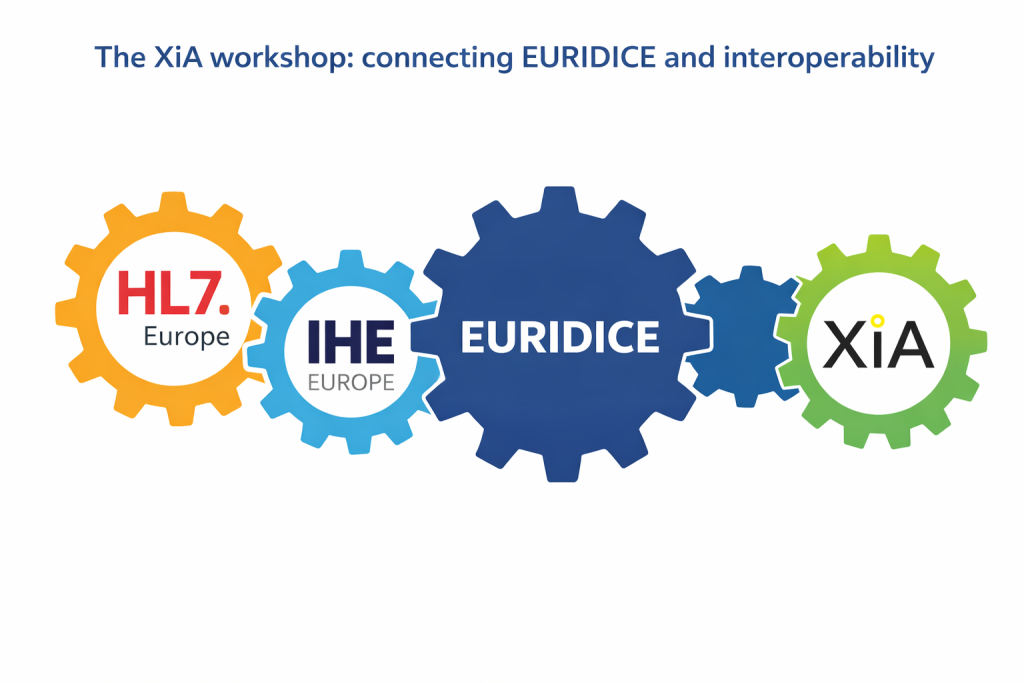
In this context, XiA will co-organise a joint education session with EURIDICE, focusing on EU FHIR base and core specifications, their role in EHDS implementation, and the skills required to apply them effectively.

EURIDICE: a common European narrative for interoperable digital health
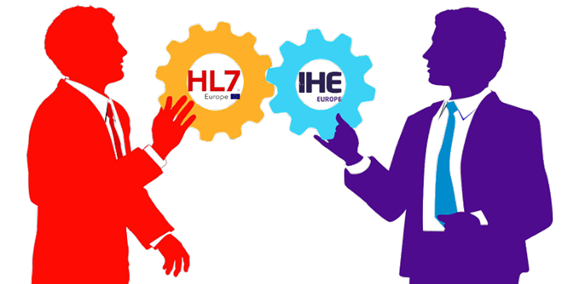
At the centre of the workshop lies EURIDICE, a joint initiative driven by IHE Europe and HL7 Europe. Rather than introducing new standards, EURIDICE aims to clarify how existing European and international building blocks fit together into a coherent interoperability journey.
EURIDICE articulates a complete narrative, starting from policy and functional requirements and progressing through information models, terminologies and integration profiles, all the way to testing, validation and interoperable products. By aligning these layers, the initiative helps reduce fragmentation between communities and supports a shared understanding across policy-makers, implementers, vendors and educators. In the context of the EHDS, this end-to-end view is essential to ensure that interoperability is not only specified, but actually deployable and reusable at scale.
A key focus of the workshop will be the EU FHIR base and core specifications, and their relationship with priority EHDS data categories. These specifications represent a foundational layer for cross-border and national interoperability. However, their effectiveness depends not only on technical correctness, but on the ability of professionals to interpret, implement, validate, and reuse them consistently.
The session will therefore examine a critical question:
Where do specifications fail when skills are missing?
Drawing on field experience from development, testing and implementation support, participants will identify capability gaps that hinder real-world deployment of HL7 standards and FHIR-based architectures.
XiA’s perspective: structuring HL7 and IHE specifications as skills families
Within the XiA Framework, interoperability competencies are organised into Framework Families that reflect real implementation ecosystems. HL7 Standards — including EU FHIR base and core specifications — are examined as a potential stand-alone family within the XiA model, with further sub-segmentation based on real-world implementation needs.
At the same time, the Framework recognises that HL7 specifications do not operate in isolation. IHE integration profiles represent a complementary and structurally important family within the interoperability landscape. As EURIDICE is a joint initiative of HL7 Europe and IHE Europe, the educational perspective must reflect this duality: messaging and specifications define structure, while integration profiles operationalise workflows across systems.
The objective of the Athens session is therefore not to restate specifications, but to translate them into:
- clearly defined, role-specific competencies,
- structured and prioritised learning outcomes,
- and micro-content learning blocks (MCLBs) aligned with EHDS deployment realities.
This co-design approach reflects XiA’s methodology: moving from standards artefacts — whether HL7 or IHE — to teachable, modular educational components that can be reused, combined and recognised across Europe.
A co-design session at ADHW 2026: from standards challenges to learning outcomes
The joint XiA × EURIDICE session will include a hands-on co-design segment dedicated to refining learning outcomes and identifying reusable material for Micro-Content Learning
The work will focus on:
- clarifying the scope of the HL7 Standards family,
- converging on a validated set of priority learning outcomes,
- identifying existing material that can be reused or adapted within XiA’s micro-learning architecture,
- and exploring future collaboration mechanisms between EURIDICE and XiA.
Rather than treating education as an afterthought, the session positions it as a structural layer of interoperability implementation.
Looking ahead: embedding EU FHIR specifications into skills ecosystems
As Europe advances towards operational EHDS implementation, EU FHIR base and core specifications are becoming central reference points. However, regulatory and technical alignment alone will not guarantee success.
Interoperability at scale requires a workforce able to understand specification intent, interpret profiles correctly, implement them in constrained environments, and validate conformance in real-world deployments.
Through its participation in Athens Digital Health Week 2026, XiA aims to ensure that European interoperability leadership — embodied by initiatives such as EURIDICE — is directly connected to structured, modular and sustainable workforce development.
Specifications define the architecture of interoperability.
Skills ensure that this architecture can actually be built.
Update: from discussion to concrete educational building blocks
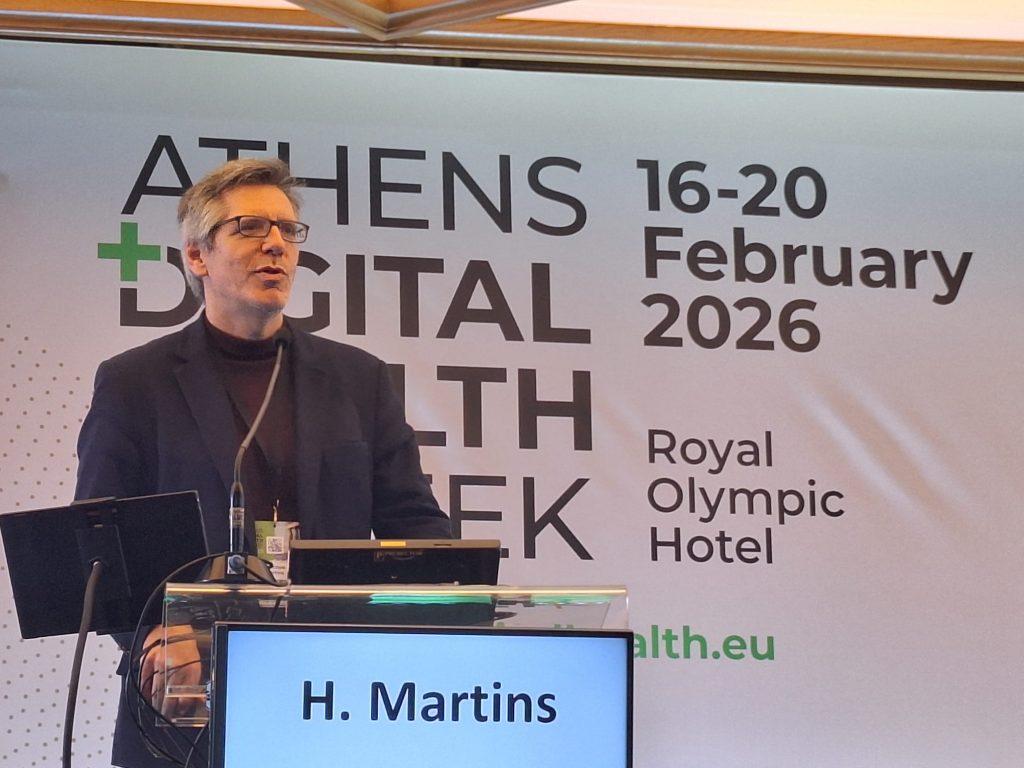
The XiA × EURIDICE session at Athens Digital Health Week 2026 brought together a diverse audience, including representatives from several EU Member States, standards organisations, industry actors and education leads.
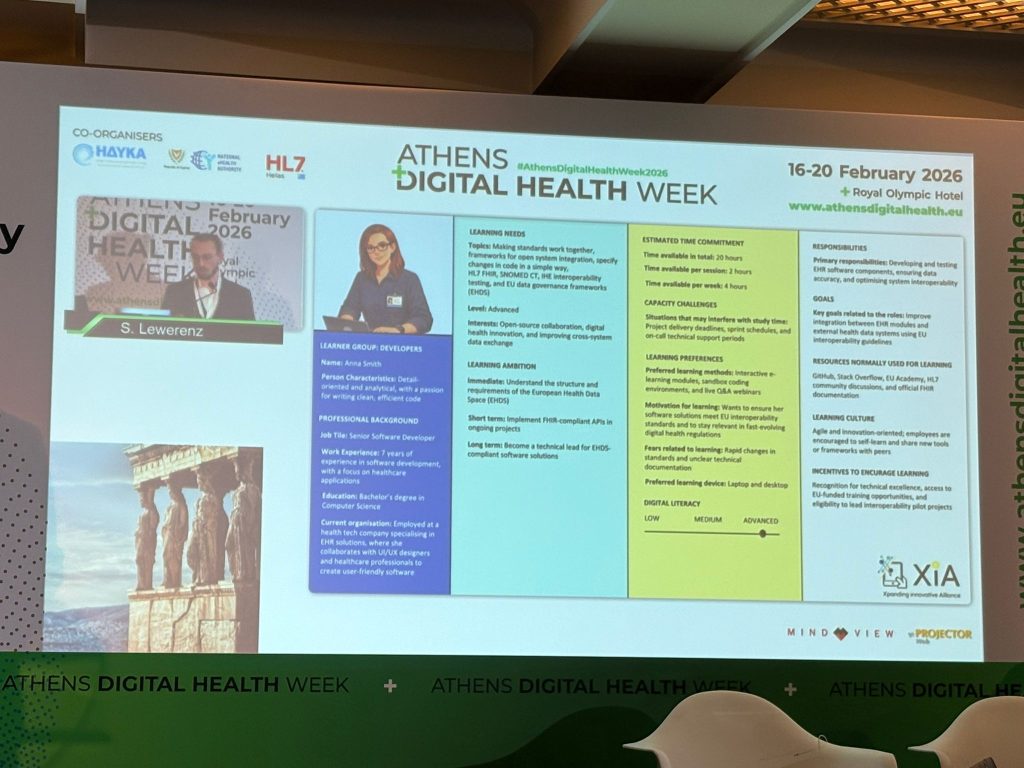
During the XiA segment, we presented the persona-based approach developed within the XiA Framework, illustrating how interoperability competencies differ depending on roles — from developers and hospital IT professionals to policy and governance profiles. The discussion with Member State representatives confirmed a shared concern: while specifications are progressing rapidly, structured skills pathways remain uneven across Europe.
Educating developers: from specifications to implementation maturity
A central discussion focused on a key question:
How do we effectively educate developers for EHDS-scale interoperability?
The conversation covered:
- The role of EU FHIR base and core specifications as foundational reference artefacts for EHDS data categories
- The need to move from understanding profiles conceptually to implementing them consistently in constrained environments
- The reality that in large multinational companies, core methodological knowledge (e.g. IHE profiling and structured testing processes) is often already embedded
- The uneven maturity across SMEs and national contexts
- The increasing use of AI tools to navigate specifications — while recognising that AI cannot replace structured understanding of profile intent, constraints and validation logic
The debate reinforced XiA’s positioning: education must go beyond reading specifications — it must enable professionals to interpret intent, anticipate integration challenges, and test conformance in real-world environments..
Recording learning material for future MCLBs
Beyond discussion, the session also had a concrete output dimension.
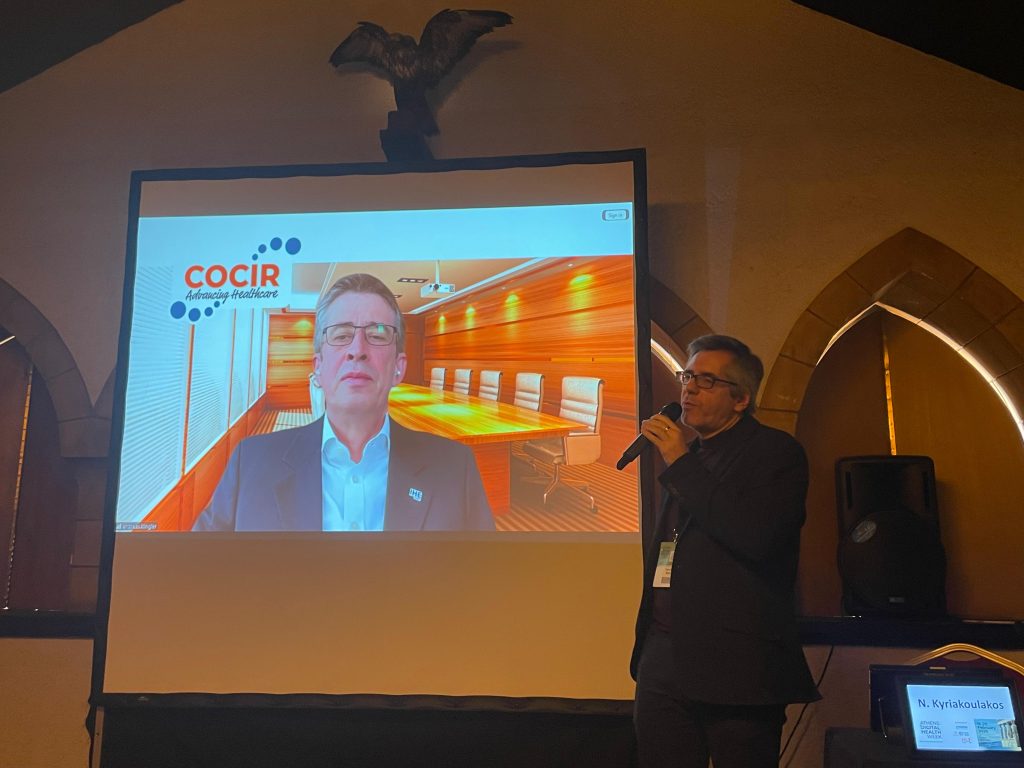
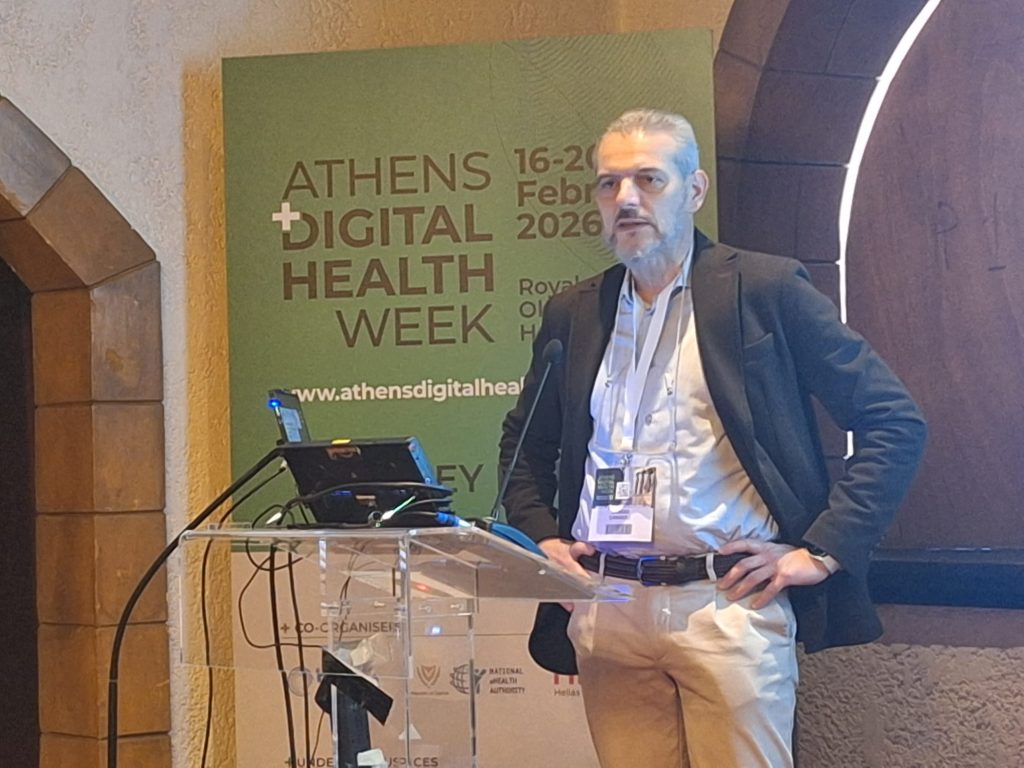
In collaboration with EURIDICE partners, we recorded educational material that will feed directly into XiA’s Micro-Content Learning Blocks (MCLBs) development. These recordings covered:
- An overview of HL7 specifications and their structuring logic
- The IHE methodology and how integration profiles operationalise workflows
- An introduction to IHE testing tools and validation practices
- A real-world perspective on how a company prepares for EHDS implementation
These materials will now be analysed, structured and translated into role-specific competencies and modular learning units within the XiA Framework.